
The Complete Guide to Finance Tools & Software in 2026: Everything You Need to Know
Introduction
Finance technology is undergoing its biggest transformation in decades.
Manual bookkeeping is fading away, real-time analytics is killing monthly batch reporting, and autonomous AI agents are executing complex workflows independently.
For finance professionals, corporate teams, and freelance accountants, the challenge is no longer about finding a tool—it is about picking the right ones to build an integrated system.
Whether you are an accounting student mastering industry standards, a freelancer managing multi-currency client books,
or a consultant optimization operations, navigating software like QuickBooks, Xero, NetSuite, or Power BI can feel overwhelming.
This comprehensive pillar page provides a definitive roadmap of the finance tools and software shaping 2026,
helping you build a tech stack that drives efficiency and authority.
Table of Contents (TOC)
The Tech Evolution: Why Finance Tools Are Different in 2026
Core Accounting Software for Freelancers & SMEs
Enterprise ERP Systems for Scaling Operations
AI-Powered Financial Planning & Analysis (FP&A)
Data Intelligence: Financial Reporting & BI Tools
Workflow Automation & Agentic AI Systems
Comprehensive Finance Tool Decision Matrix
Case Study: Transforming a Freelance Portfolio
Frequently Asked Questions (FAQ)
1. The Tech Evolution: Why Finance Tools Are Different in 2026 {#why-different}
The days of treating accounting software as a digital ledger are over. In 2026, three major technical shifts define financial software architecture:
Key Drivers of Modern Finance Tech
From Generative Tools to Agentic AI: Modern platforms do not just write text summaries; they act as autonomous systems executing multi-step workflows like variance analysis and automatic reconciliation.
Real-Time Data Streams: Traditional 30-day closing cycles are being replaced by continuous, real-time dashboards that track cash flow and operational margins instantly.
Unified API Infrastructure: Independent, isolated desktop tools are a legacy liability. Modern tech relies on seamless integrations where core bookkeeping feeds instantly into analytical engines.
internal links

our other posts are given below

our other posts are given below
2. Core Accounting Software for Freelancers & SMEs {#core-accounting}
Core accounting systems handle foundational operational transactions: daily bookkeeping, invoicing,
tracking business expenses, and performing automated bank reconciliations.
+-------------------------------------------------------------+
|                CORE ACCOUNTING SOFTWARE (2026)              |
+------------------------------+------------------------------+
|      QUICKBOOKS ONLINE       |             XERO             |
|   - Best SME Industry Std    |   - Best for Global Scaling  |
|   - 95% AI Categorization    |   - Open API Architecture    |
+------------------------------+------------------------------+
QuickBooks Online
QuickBooks Online remains an industry benchmark for small-to-medium enterprises (SMEs) and freelance management.
Its ecosystem features smart expense categorization algorithms and robust cash flow forecasting models.
SEO Hub Directive: For an exhaustive, hands-on review of system performance, pricing tiers, and interface navigation, read our deep-dive guide. → Read Full Review: QuickBooks Online 2026 — Feature Breakdown & Implementation Guide
Xero
Xero is a leading cloud-based competitor favored by growing tech firms and cross-border consultants due to its open API structure,
allowing thousands of third-party application connections without user caps.
→ Read Full Review: Xero vs QuickBooks 2026 — Which One Should You Choose?
3. Enterprise ERP Systems for Scaling Operations {#enterprise-erp}
When an enterprise expands across multiple entities or handles international regulatory compliances,
standard core software reaches its structural limits. Enterprise Resource Planning (ERP) engines unify multi-subsidiary financials, supply chains,
and cross-border compliance databases into a single ledger.
| Phase | Est. Duration | Critical Activities & Benchmarks |
| 1. Architecture Design | 1–2 Months | Data migration planning, ledger structuring, compliance alignment |
| 2. Configuration | 3–5 Months | System customization, API pipeline assembly, sandbox testing |
| 3. Deployment & Go-Live | 1–2 Months | Legacy data cutoff, system go-live, post-launch operational audit |
Oracle NetSuite
NetSuite stands as a premier cloud-based ERP framework for mid-market
corporate accounting, deploying multi-currency consolidation tools alongside real-time business operational insights.
→ Read Full Guide: Oracle NetSuite 2026 — Complete ERP Implementation Roadmap

our other posts are given below

our other posts are given below
4. AI-Powered Financial Planning & Analysis (FP&A) {#ai-fpa}
Traditional budgeting practices relied on disconnected spreadsheet
iterations. Modern FP&A applications bypass manual entry by linking directly to operational systems to run
predictive modeling and continuous forecasting.
   [Core Accounting / ERP] ---> [Automated Data Pipeline] ---> [AI FP&A Engine (Tellius / Datarails)]
                                                                           |
                                                                           v
                                                                - Multi-Scenario Forecasts
                                                                - Automated Root-Cause Analytics
Analytical Innovation Trends
Predictive Modeling: Deep algorithmic tracking checks historical patterns to build precise forecasts, minimizing variance risk.
Automated Root-Cause Diagnostics: Instead of cross-referencing ledger entries manually for hours, platforms pinpoint exact operational discrepancies within minutes.
Datarails
Datarails offers an elegant framework for corporate teams wishing to leverage
complex analytics without abandoning their native Excel workspaces,
providing a secure cloud layer directly over standard spreadsheets.
→ Read Full Review: Datarails vs Tellius 2026 — Evaluating AI FP&A Performance
5. Data Intelligence: Financial Reporting & BI Tools {#reporting-bi}
Business Intelligence (BI) platforms take raw transactional rows and turn
them into visual executive dashboards. For modern accounting students and
working management specialists, data analytics proficiency is a foundational requirement.
Power BI
Microsoft Power BI is an essential data tool due to its native data connection
engine and advanced modeling workflows. Building your competence
here ensures you can create custom visual solutions for complex operations.
→ Read Full Guide: Power BI for Finance Professionals — Complete 2026 Learning Roadmap

our other posts are given below
our other posts are given below
6. Workflow Automation & Agentic AI Systems {#ai-automation}
Automation in 2026 goes far beyond standard macro scripts. Specialized
system integrations allow cloud accounting engines, verification APIs,
and secure digital communication tools to exchange information seamlessly.
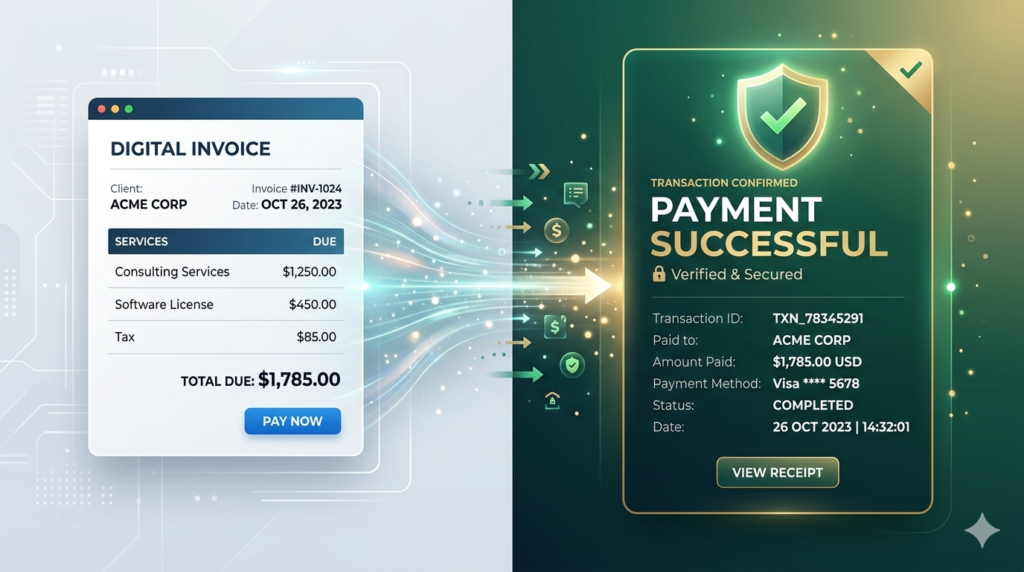
+------------------------------------------------------------------------+
|                     AUTOMATED FINANCE PIPELINE                        |
+------------------+     +--------------------+     +--------------------+
|  Invoice Arrives | --> |   Extracted via AI | --> | Verified & Paid via|
|  (Digital Inbox) |     | (Automatic Ledger) |     |  Sadapay / NayaPay |
+------------------+     +--------------------+     +--------------------+
Optimization Workflows
Intelligent Reconciliation: Cross-references open client balances, inbound platform transfers, and banking data automatically.
Cross-Border Multi-Currency Pipelines: Integrates international freelance client billing with localized financial apps, keeping transactions efficient and compliant.
No-Code API Connections: Uses services like Zapier or Make to connect platforms instantly without needing specialized coding knowledge.
→ Read Full Guide: Build Finance Automation with Zapier + AI — 15 Actionable Playbooks
7. Comprehensive Finance Tool Decision Matrix {#decision-matrix}
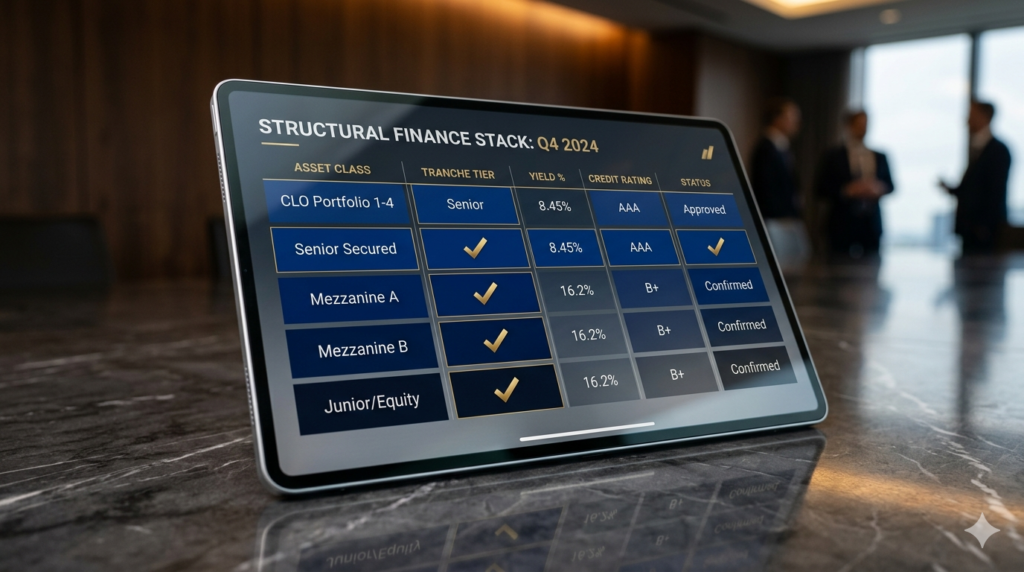
To select the ideal systems for your operational profile, reference this structured configuration breakdown:
| Professional Profile | Mandatory Base Systems | Strategic Optimization Layer |
| Freelance Consultant / Digital Creator | Xero or QuickBooks Online | Zapier Automation, Local Fintech Wallets |
| Professional Accounting Student | Advanced Excel, Power BI Frameworks | QuickBooks Demo Ecosystems |
| Corporate Controller / Manager | Oracle NetSuite, Core Power BI | Automated Close Engines, Tellius AI FP&A |
our other posts are given below

8. Case Study: Transforming a Freelance Portfolio {#case-study}
The Context
Consider Zain, an independent finance consultant operating an international
advisory portfolio. Zain was spending over 15 hours every month performing manual currency
conversions, cross-referencing invoice statuses across international client
accounts, and preparing basic visual performance spreadsheets for quarterly reviews.
The Modern Integration Setup
Zain completely overhauled his workflow by deploying an integrated digital stack:
[International Inbound Invoices]
               │
               ▼
   [Xero Multi-Currency Ledger] ──(Via Zapier API)──> [Power BI Interactive Dashboard]
               │
               ▼
  [Regional Wallets (Sadapay/NayaPay)]
The Tangible Results
Time Allocation: Total reconciliation overhead dropped from 15 hours monthly to under 45 minutes via automated bank feeds.
Reporting Speed: Visual client metric dashboards update automatically every morning, completely replacing manual spreadsheet generation.
Error Reduction: Automated data syncs eliminated manual calculation mistakes entirely.
FAQ
Q: Which core digital software tools should an accounting student prioritize learning?
A: Focus on mastering Advanced Excel (Power Query and data modeling), Power BI, and QuickBooks Online. These platforms provide the highest industry return-on-investment, aligning perfectly with modern academic syllabi and practical corporate expectations.
Q: Will automation software completely phase out the need for human accountants?
A: No. Automation eliminates routine, manual data entry. It shifts the professional’s responsibility toward strategic evaluation, system design, and advisory analysis—making tech-literate professionals more valuable than ever.
Q: How do local regional payment apps fit into an international freelance tech stack?
A: Modern regional wallets like Sadapay and NayaPay function as agile endpoints. By linking them with international processing layers or platforms like Xero via secure APIs, freelancers can settle cross-border client invoices quickly while maintaining clear audit trails.
Conclusion
Modern financial software is no longer just about individual tools—it is about
creating an interconnected system. By linking your core transactional ledgers
to powerful automation pipelines and visual reporting dashboards, you build
a tech stack that maximizes clarity, accuracy, and professional authority.
Immediate Action Plan
Run an Operational System Audit: Identify where manual data entry or broken spreadsheet handoffs are slowing down your workflow.
Deploy One Automated Connection: Start simple by connecting an inbound invoicing flow to an analytical dashboard using a basic API tool.
Invest in Analytics Skills: Dedicate time to mastering data design in Power BI to turn plain financial data into clear, actionable business strategies.
What is the biggest operational bottleneck in your current accounting workflow?
Leave a comment below with your setup, and we will map out the ideal software integrations for your business.